

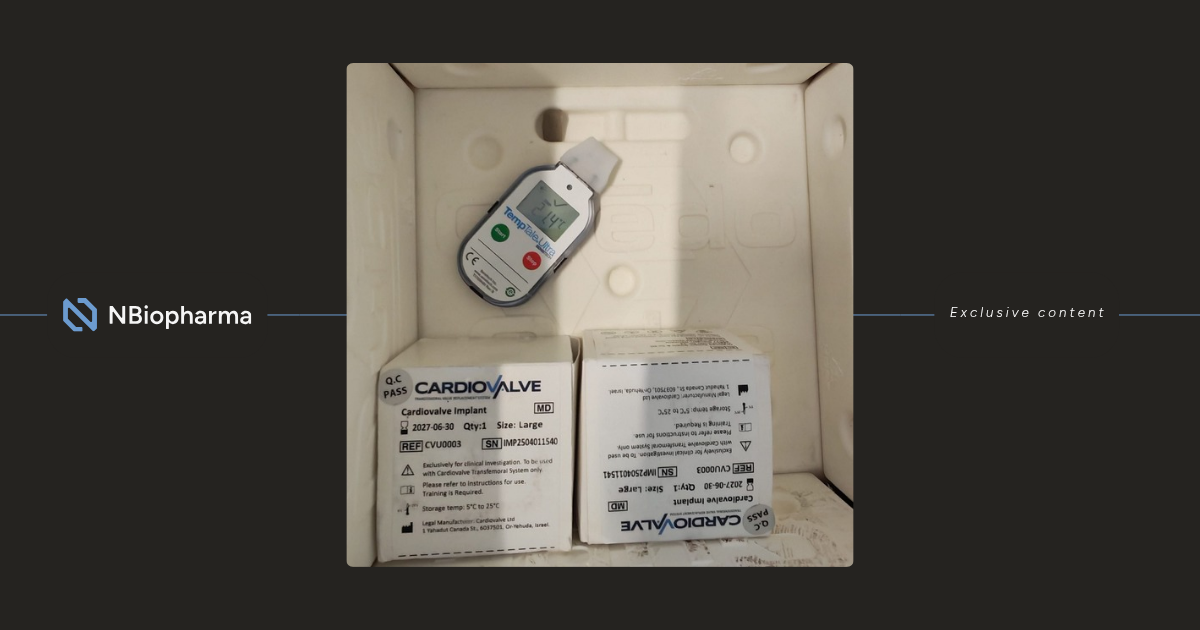
Pharmaceutical cold chain logistics is the system of transport, storage, and handling that keeps temperature-sensitive medicines, biologics, and clinical samples within a validated temperature range from the moment they leave a manufacturing site to the moment they reach a patient, hospital, or laboratory. For many modern therapies, that range is narrow, the tolerance for deviation is close to zero, and the consequences of getting it wrong are not cosmetic. A vaccine or biologic that spends even a short window outside its approved range can lose potency or become unusable, regardless of how the rest of the journey went.
This guide breaks down what pharmaceutical cold chain logistics actually involves, why temperature control is such a central concern for the industry, and what to look for in a logistics partner that claims to handle it properly.
Why Temperature Control Matters in Pharma
Many pharmaceutical products are biological in nature: vaccines, monoclonal antibodies, cell and gene therapies, blood-derived products, and diagnostic reagents. Unlike most small-molecule drugs, these products are sensitive to heat, cold, light, and physical agitation. Manufacturers define a validated storage and transport range for each product — commonly a refrigerated range of 2°C to 8°C, though some biologics require deep-frozen or even cryogenic conditions.
The purpose of cold chain logistics is to guarantee that range holds continuously, not just at the beginning and end of a shipment. A single unmonitored gap — a delayed handover, a vehicle without functioning refrigeration, a package left on a loading dock — can be enough to compromise a product’s efficacy or safety profile, even if there is no visible damage.
GDP Requirements for Cold Chain
In the European Union, cold chain logistics for medicines is governed primarily by the EU Guidelines on Good Distribution Practice of medicinal products for human use (2013/C 343/01), generally referred to as GDP. GDP sets out requirements for how pharmaceutical products must be stored, transported, and documented throughout the distribution chain — not just inside a manufacturing facility.
Under GDP, a compliant cold chain operation is expected to demonstrate, among other things: validated storage and transport equipment; documented temperature monitoring throughout transit, not only at pickup and delivery; qualified personnel trained specifically in the handling of temperature-sensitive pharmaceutical goods; and a documented process for managing and investigating any temperature excursion, rather than simply noting that one occurred.
GDP certification is typically verified through third-party audit — for example, certification against SGS’s GDP scheme — and covers both the physical infrastructure (vehicles, warehouses, packaging) and the operational procedures around it.
Common Risks and How They’re Managed
Several points in a pharmaceutical shipment’s journey carry disproportionate risk:
Handover points. Every time a shipment changes hands — from manufacturer to carrier, from one carrier to another, from vehicle to warehouse — is a moment where conditions can lapse if procedures aren’t followed precisely.
Customs and border delays. Time spent waiting for clearance is time spent outside the tightly controlled environment of a refrigerated vehicle or warehouse, unless the shipment itself is packaged to maintain temperature independently for a defined period.
Last-mile delivery. The final leg of a shipment — from a distribution hub to a hospital, pharmacy, or clinical site — is often where monitoring is weakest and where delivery windows are hardest to control.
Managing these risks well typically combines three things: qualified, insulated, or actively refrigerated packaging validated for the specific transit duration and route; continuous monitoring, usually via data loggers that record temperature throughout the journey rather than relying on spot checks; and trained personnel at every handover point who understand why the protocol matters, not just that it exists.
How NBiopharma Approaches Cold Chain Compliance
NBiopharma operates under EU GDP guideline 2013/C 343/01 (SGS-certified) and ISO 9001:2015, across facilities that include our central operation in Barcelona and our cargo terminal at El Prat airport. Our GDP certification covers the transport of medicinal, biological, and sanitary products, as well as related customs and general transport activities.
Because pharmaceutical cold chain risk is concentrated at handover points and during customs processes, our Authorised Economic Operator (AEO/OEA) status — granted by the Spanish Tax Agency — plays a direct role in reducing the time a shipment spends in unmonitored conditions at the border, through fewer physical inspections and faster clearance.
If your organization is evaluating a pharmaceutical cold chain logistics partner, the questions worth asking go beyond «do you have refrigerated vehicles.» Ask about GDP certification scope, how temperature deviations are documented and escalated, and how handover points between carriers are managed. Those answers tell you far more about actual cold chain reliability than a temperature range printed on a brochure.